
Can't make the live session?
No problem. Everyone who registers will receive access to the webinar recording, so you can watch it whenever it suits you.
Is that plant actually dangerous?
Every year, horse owners discover unfamiliar plants growing in their pasture and ask the same questions: - Is it poisonous for horses? - Should it be removed? - Could it actually be beneficial? - Which websites can I trust? - How do I know what advice is evidence-based? Unfortunately, much of the information available online is contradictory, oversimplified or simply inaccurate. As a result, many owners either remove harmless plants unnecessarily or overlook species that genuinely require action. This webinar will help you move beyond lists of "good" and "bad" plants by giving you the knowledge to make informed decisions for your own horse pasture. The aim isn't to memorise hundreds of toxic plants for horses. It's to understand the principles that allow you to assess unfamiliar plants confidently in the future. Rather than telling you what you must do, we'll explain the factors that influence risk. Some owners choose to remove any potentially toxic plant from horse pasture, while others manage lower-risk species within biodiverse grazing systems. You'll understand the evidence behind those decisions and where it supports immediate removal.
What you'll learn
𝗛𝗼𝘄 𝘁𝗼 𝗜𝗱𝗲𝗻𝘁𝗶𝗳𝘆 𝗵𝗼𝗿𝘀𝗲 𝗽𝗮𝘀𝘁𝘂𝗿𝗲 𝗽𝗹𝗮𝗻𝘁𝘀 𝘄𝗶𝘁𝗵 𝗴𝗿𝗲𝗮𝘁𝗲𝗿 𝗰𝗼𝗻𝗳𝗶𝗱𝗲𝗻𝗰𝗲 Learn practical approaches to identifying common pasture plants and why accurate identification must always come before assessing risk.
𝗛𝗼𝘄 𝘁𝗼 𝗸𝗻𝗼𝘄 𝘄𝗵𝗶𝗰𝗵 𝘀𝗼𝘂𝗿𝗰𝗲𝘀 𝘆𝗼𝘂 𝗰𝗮𝗻 𝘁𝗿𝘂𝘀𝘁 Discover how to recognise reliable, evidence-based information and avoid common myths that circulate online and on social media.
𝗕𝗲𝗴𝗶𝗻 𝘁𝗼 𝘂𝗻𝗱𝗲𝗿𝘀𝘁𝗮𝗻𝗱 𝗽𝗹𝗮𝗻𝘁 𝘁𝗼𝘅𝗶𝗰𝗶𝘁𝘆 𝗽𝗿𝗼𝗽𝗲𝗿𝗹𝘆 Explore why the presence of a toxin does not automatically make a plant dangerous in horse pasture. Learn how toxicity, dose, palatability, plant chemistry and grazing behaviour all influence real-world risk.
𝗛𝗼𝘄 𝘁𝗼 𝗺𝗮𝗸𝗲 𝗶𝗻𝗳𝗼𝗿𝗺𝗲𝗱 𝗽𝗮𝘀𝘁𝘂𝗿𝗲 𝗺𝗮𝗻𝗮𝗴𝗲𝗺𝗲𝗻𝘁 𝗱𝗲𝗰𝗶𝘀𝗶𝗼𝗻𝘀 Understand how biodiversity, ecological context and the dilution effect influence grazing systems, while recognising that some highly toxic plants should always be removed from horse pasture.
Meet the speakers

Sian Constantine
Director | Hoof and Habitat
Founder of Hoof & Habitat, ENFAR Registered Feed Advisor with a background in biochemistry and life sciences. Sian teaches horse owners how pasture systems function so they can make confident, evidence-informed management decisions that support horse welfare, biodiversity and long-term pasture resilience. In this webinar, Sian will cover practical plant identification, how to evaluate the reliability of different information sources, the dilution effect, and the ecological context of managing poisonous plants in horse pasture.
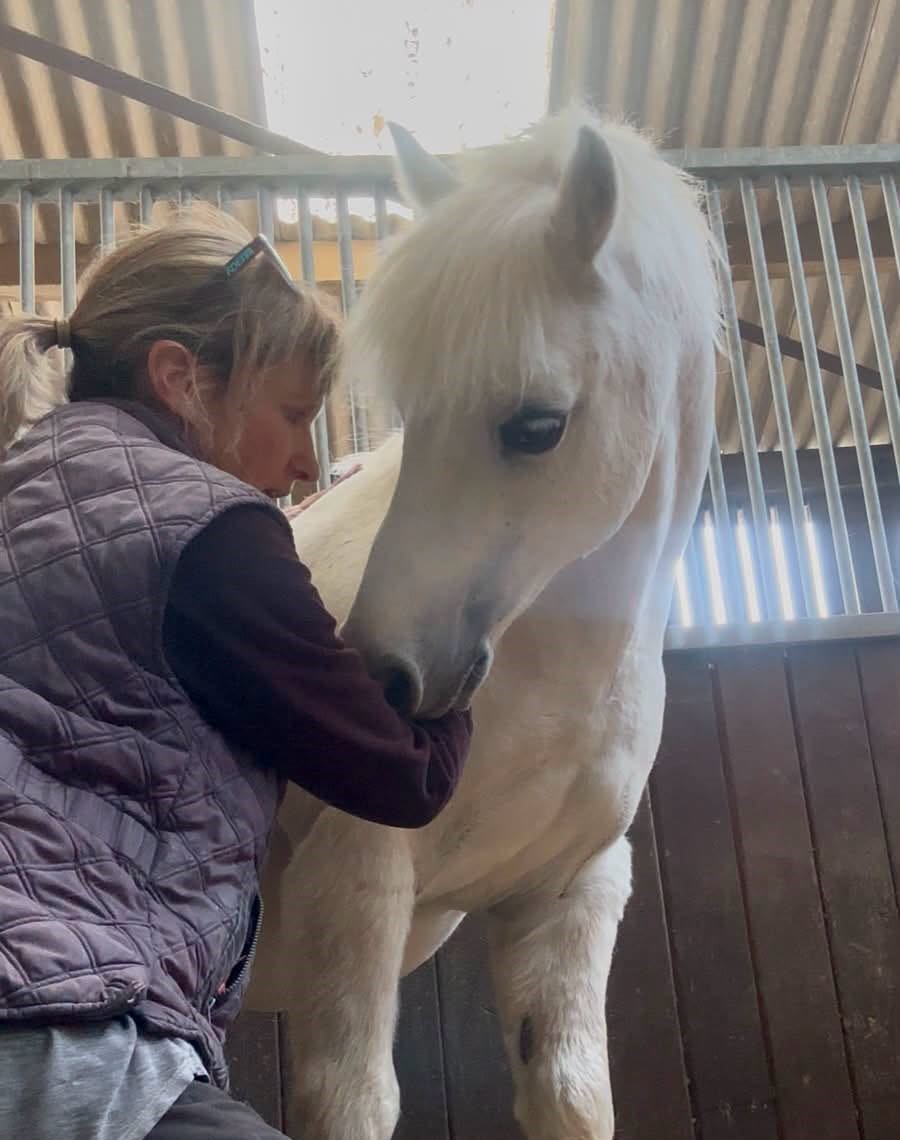
Karen Perry
Animal Therapist | Karen Perry Animal Therapist
An equine and canine herbal consultant and holistic animal therapist with around 30 years of experience working with horses. Alongside her clinical work, she delivers workshops on herbs, foraging, and equine management, helping horse owners better understand the relationship between plants, nutrition and animal health. In this webinar, Karen will explore plant chemistry, phytonutrients and toxicity, explaining why the presence of a toxin does not automatically make a plant harmful, and how understanding these principles can help horse owners make more informed grazing decisions.
During the webinar we will cover
- Practical plant identification - How to evaluate reliable information sources - Detailed case studies and real world examples - Phytonutrients and plant chemistry - Toxicity versus actual risk to horses - The dilution effect and its limitations - How to conduct a risk assessment - Which highly toxic plants should always be removed from horse pasture - Live Q&A
By the end of the webinar you'll be able to
- Identify common pasture plants more confidently - Judge whether information sources are trustworthy - Understand the difference between toxicity and real-world risk - Conduct risk assessments on plants - Distinguish between plants that require immediate action and those that can be assessed in context - Manage your pasture according to both the evidence and your own circumstances - Claim 2 BASIS-reg CPD points The goal isn't to leave with a longer list of plants to worry about. It's to leave with greater confidence in recognising genuine risks and knowing how to respond appropriately.
Questions & Answers
Bring your questions. We'll finish with a live Q&A where both presenters will answer your questions about plant identification, toxicity and pasture management. If you cant attend the live event and will be watching the recording, you can still ask your questions in our learning community.
Stop second guessing every unfamiliar plant.
Join us to learn a practical framework for identifying plants, assessing risk and making informed pasture management decisions with greater confidence.
£30.00
Frequently Asked Questions
𝗗𝗼 𝗜 𝗻𝗲𝗲𝗱 𝘁𝗼 𝗸𝗻𝗼𝘄 𝗮𝗻𝘆𝘁𝗵𝗶𝗻𝗴 𝗮𝗯𝗼𝘂𝘁 𝗯𝗼𝘁𝗮𝗻𝘆 𝗯𝗲𝗳𝗼𝗿𝗲 𝗮𝘁𝘁𝗲𝗻𝗱𝗶𝗻𝗴? No. This webinar is designed for horse owners, not botanists. We'll explain practical approaches to identifying plants and assessing risk in clear, accessible language. 𝗪𝗶𝗹𝗹 𝗜 𝗿𝗲𝗰𝗲𝗶𝘃𝗲 𝘁𝗵𝗲 𝗿𝗲𝗰𝗼𝗿𝗱𝗶𝗻𝗴 𝗶𝗳 𝗜 𝗰𝗮𝗻'𝘁 𝗮𝘁𝘁𝗲𝗻𝗱 𝗹𝗶𝘃𝗲? Yes. Everyone who registers will receive access to the webinar recording, so you can watch it later if you're unable to attend live. 𝗪𝗶𝗹𝗹 𝘆𝗼𝘂 𝗽𝗿𝗼𝘃𝗶𝗱𝗲 𝗮 𝗹𝗶𝘀𝘁 𝗼𝗳 𝗽𝗼𝗶𝘀𝗼𝗻𝗼𝘂𝘀 𝗽𝗹𝗮𝗻𝘁𝘀? We'll discuss examples of poisonous plants and use case studies during the webinar, but the focus is on teaching you how to identify plants, assess reliable information, and judge risk for yourself rather than relying on static lists. 𝗪𝗶𝗹𝗹 𝘆𝗼𝘂 𝗰𝗼𝘃𝗲𝗿 𝗵𝗶𝗴𝗵𝗹𝘆 𝗽𝗼𝗶𝘀𝗼𝗻𝗼𝘂𝘀 𝗽𝗹𝗮𝗻𝘁𝘀? Yes. We'll explain which plants require immediate action and why, while also exploring why the presence of a toxin does not automatically make every plant a significant risk. 𝗜𝘀 𝘁𝗵𝗶𝘀 𝘄𝗲𝗯𝗶𝗻𝗮𝗿 𝘀𝘂𝗶𝘁𝗮𝗯𝗹𝗲 𝗶𝗳 𝗜 𝗮𝗹𝗿𝗲𝗮𝗱𝘆 𝗵𝗮𝘃𝗲 𝗯𝗶𝗼𝗱𝗶𝘃𝗲𝗿𝘀𝗲 𝗽𝗮𝘀𝘁𝘂𝗿𝗲? Yes. Whether your pasture is species-rich or traditionally managed, the webinar will help you make more informed decisions about plant identification, toxicity and pasture management. 𝗖𝗮𝗻 𝗜 𝗮𝘀𝗸 𝗾𝘂𝗲𝘀𝘁𝗶𝗼𝗻𝘀? Yes. We'll finish with a live Q&A, and if you can't attend live you'll be able to ask questions afterwards in the learner community. 𝗖𝗮𝗻 𝗜 𝘂𝘀𝗲 𝘁𝗵𝗶𝘀 𝘄𝗲𝗯𝗶𝗻𝗮𝗿 𝗳𝗼𝗿 𝗖𝗼𝗻𝘁𝗶𝗻𝘂𝗶𝗻𝗴 𝗣𝗿𝗼𝗳𝗲𝘀𝘀𝗶𝗼𝗻𝗮𝗹 𝗗𝗲𝘃𝗲𝗹𝗼𝗽𝗺𝗲𝗻𝘁 (𝗖𝗣𝗗)? Yes. If you would like to include this webinar as part of your own Continuing Professional Development (CPD), we can provide a certificate of attendance on request. Please note that attendees are responsible for checking whether their own professional body accepts it for CPD. For BASIS registration members, you can claim 2 CPD points for attending this webinar.