
Found an unfamiliar plant in your horse’s pasture?
It can be difficult to know what to do when you spot a plant you don’t recognise. Searching online can leave you with conflicting advice and more questions than answers. Is it poisonous for horses? Does it need removing? Could it have a place in your pasture? Which information can you trust? In this on-demand webinar, Sian Constantine and Karen Perry explain practical approaches to plant identification and the factors that influence risk. You’ll explore real examples, learn how to assess information sources and understand what to consider when deciding how to respond. Accurate identification comes first. From there, the aim is to help you recognise plants that require action and understand when a more detailed assessment is needed. You don’t need to memorise hundreds of plants. You’ll learn an approach you can return to when unfamiliar species appear, helping you make informed decisions that support horse welfare and pasture biodiversity.
Watch when it suits you
Recorded webinar: Poisonous Plants & Safe Biodiversity
£30.00
Identify pasture plants with greater confidence
Learn practical approaches to identifying common horse pasture plants and checking information sources, so you have a more reliable starting point for decisions.
Understand what influences risk
Explore how toxicity, dose, plant chemistry, palatability and grazing behaviour affect risk, and why plants need to be assessed using more than a simple “good” or “bad” label.
Decide what action to take
Learn how to approach a plant risk assessment, recognise situations that require prompt action and weigh up management options for your horses and pasture.
About this webinar
Finding a potentially poisonous plant can leave you unsure whether to remove it, seek more information or reconsider how you manage the area. This webinar brings together practical plant identification, plant chemistry and pasture ecology to help you work through those decisions. Sian explores how to identify plants, evaluate information sources and consider the ecological context of your pasture. Karen explains phytonutrients, plant chemistry and toxicity, helping you understand the factors that influence how plants affect horses. Through case studies and real examples, you’ll explore risk assessment, highly toxic plants that require removal, and the dilution effect and its limitations within diverse grazing systems. The aim is to help you recognise genuine risks and respond appropriately, with a clearer understanding of the evidence and the circumstances in your own fields.
Who this webinar is for
-Horse owners unsure how to respond to unfamiliar pasture plants -Owners managing species-rich or mixed-species pasture -People interested in supporting biodiversity while managing plant risks -Yard managers, land managers and land advisors -Equine professionals No specialist botany knowledge is required. The webinar explains identification and risk assessment in clear, practical terms.
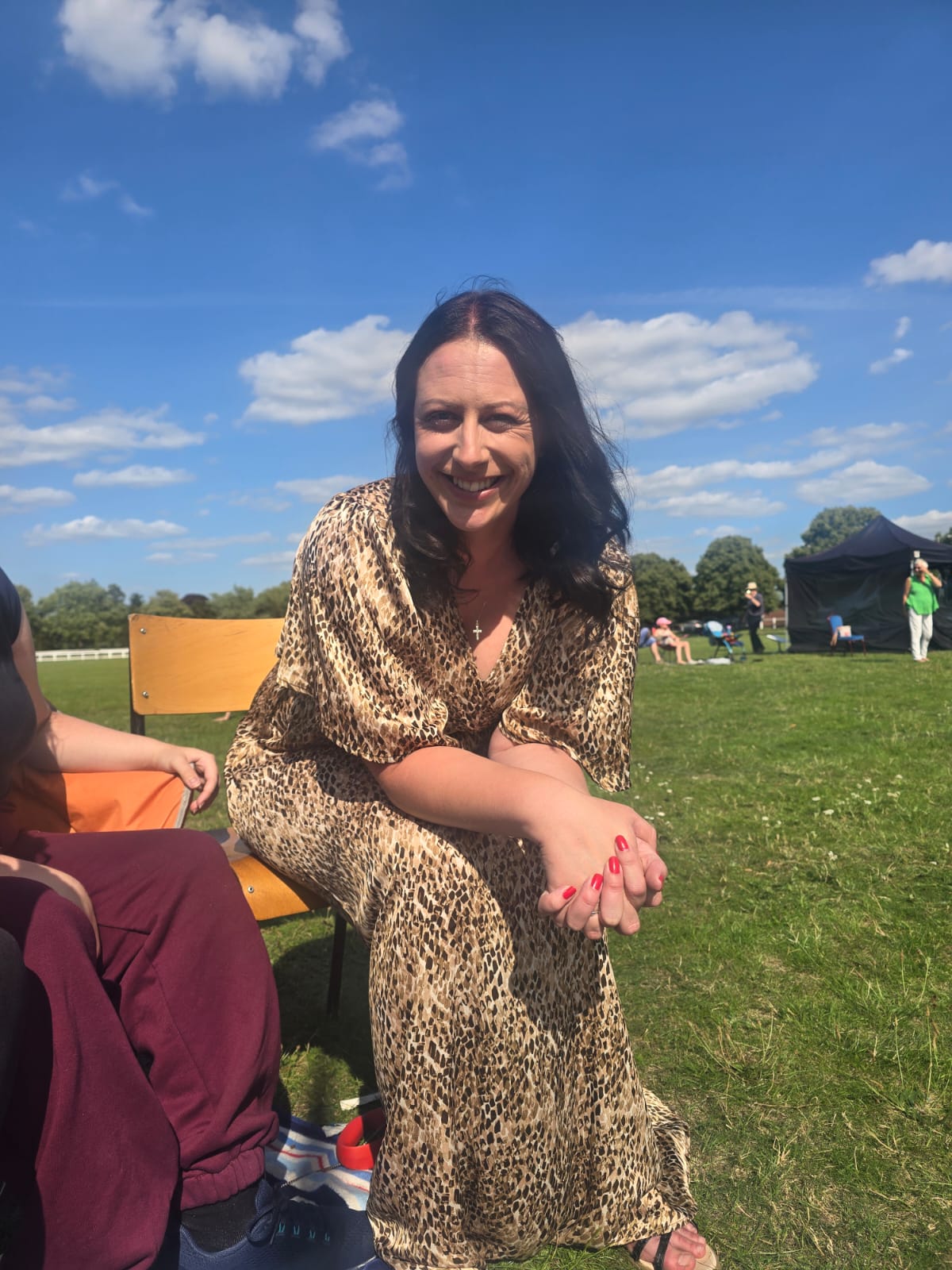
Sian Constantine
Director | Hoof and Habitat Founder of Hoof & Habitat and an ENFAR Registered Feed Advisor, with a background in biochemistry and life sciences. Sian teaches horse owners how pasture systems function, helping them make informed decisions that support horse welfare, soil health and resilient grazing. In this recording, Sian explores practical plant identification, reliable information sources and the ecological context of managing potentially poisonous plants in horse pasture.
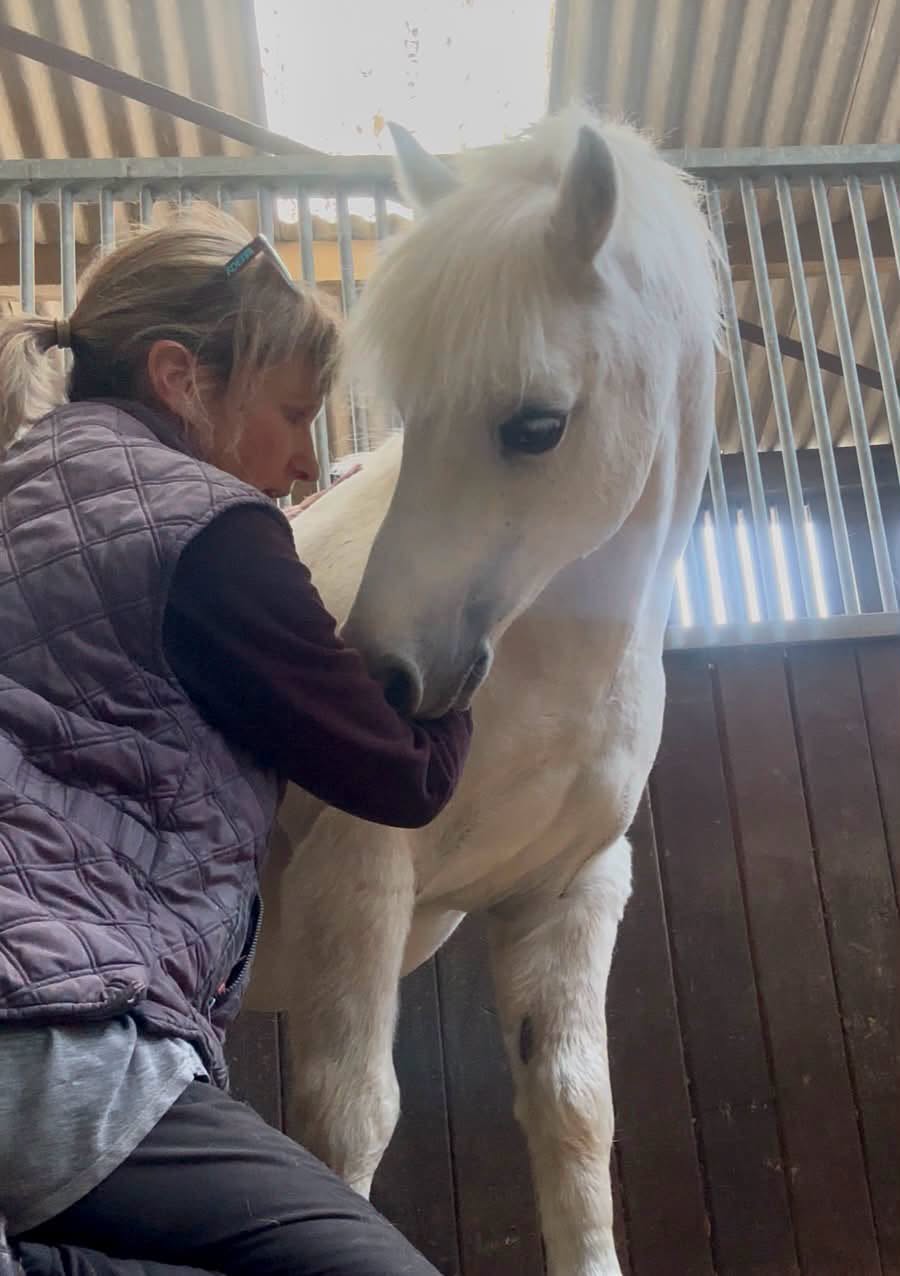
Karen Perry
Animal Therapist | Karen Perry Animal Therapist An equine and canine herbal consultant and holistic animal therapist with around 30 years of experience working with horses. Alongside her clinical work, Karen delivers workshops on herbs, foraging and equine management, helping horse owners understand the relationship between plants, nutrition and animal health. In this recording, Karen explores plant chemistry, phytonutrients and toxicity, explaining how these principles inform assessments of risk.
Feel more confident responding to unfamiliar plants
Knowing what a plant is, which information to trust and what influences risk can help you decide what to do next. Watch the recording when it suits you, and return to it as you identify plants and review your pasture management.
£30.00
Frequently Asked Questions
𝗗𝗼 𝗜 𝗻𝗲𝗲𝗱 𝘁𝗼 𝗸𝗻𝗼𝘄 𝗮𝗻𝘆𝘁𝗵𝗶𝗻𝗴 𝗮𝗯𝗼𝘂𝘁 𝗯𝗼𝘁𝗮𝗻𝘆 ? No. This webinar is designed for horse owners, land managers and land advisors. The presenters explain practical approaches to identifying plants and assessing risk in clear, accessible language. 𝗪𝗶𝗹𝗹 𝘆𝗼𝘂 𝗽𝗿𝗼𝘃𝗶𝗱𝗲 𝗮 𝗹𝗶𝘀𝘁 𝗼𝗳 𝗽𝗼𝗶𝘀𝗼𝗻𝗼𝘂𝘀 𝗽𝗹𝗮𝗻𝘁𝘀? The recording discusses poisonous plants through examples and case studies. The focus is on helping you identify plants, find reliable information and assess risk, so you have an approach you can use when unfamiliar plants appear. 𝗪𝗶𝗹𝗹 𝘆𝗼𝘂 𝗰𝗼𝘃𝗲𝗿 𝗵𝗶𝗴𝗵𝗹𝘆 𝗽𝗼𝗶𝘀𝗼𝗻𝗼𝘂𝘀 𝗽𝗹𝗮𝗻𝘁𝘀? Yes. The presenters explain which plants require prompt action and why. They also explore the factors that influence risk when assessing other pasture plants. 𝗜𝘀 𝘁𝗵𝗶𝘀 𝘄𝗲𝗯𝗶𝗻𝗮𝗿 𝘀𝘂𝗶𝘁𝗮𝗯𝗹𝗲 𝗶𝗳 𝗜 𝗮𝗹𝗿𝗲𝗮𝗱𝘆 𝗵𝗮𝘃𝗲 𝗯𝗶𝗼𝗱𝗶𝘃𝗲𝗿𝘀𝗲 𝗽𝗮𝘀𝘁𝘂𝗿𝗲? Yes. Whether your pasture is species-rich or traditionally managed, the webinar helps you make more informed decisions about plant identification, risk and pasture management. 𝗗𝗼𝗲𝘀 𝗵𝗮𝘃𝗶𝗻𝗴 𝗮 𝗱𝗶𝘃𝗲𝗿𝘀𝗲 𝗽𝗮𝘀𝘁𝘂𝗿𝗲 𝗺𝗮𝗸𝗲 𝗽𝗼𝗶𝘀𝗼𝗻𝗼𝘂𝘀 𝗽𝗹𝗮𝗻𝘁𝘀 𝘀𝗮𝗳𝗲? Plant diversity alone is not a reason to assume a potentially poisonous plant is safe. The webinar explores the dilution effect alongside its limitations, and explains why accurate identification and assessment of the particular plant and circumstances matter. 𝗖𝗮𝗻 𝗜 𝗮𝘀𝗸 𝗾𝘂𝗲𝘀𝘁𝗶𝗼𝗻𝘀 𝗮𝗳𝘁𝗲𝗿 𝘄𝗮𝘁𝗰𝗵𝗶𝗻𝗴? Yes. You can ask questions in the learner community or email [email protected]. 𝗖𝗮𝗻 𝗜 𝘂𝘀𝗲 𝘁𝗵𝗶𝘀 𝘄𝗲𝗯𝗶𝗻𝗮𝗿 𝗳𝗼𝗿 𝗖𝗼𝗻𝘁𝗶𝗻𝘂𝗶𝗻𝗴 𝗣𝗿𝗼𝗳𝗲𝘀𝘀𝗶𝗼𝗻𝗮𝗹 𝗗𝗲𝘃𝗲𝗹𝗼𝗽𝗺𝗲𝗻𝘁 (𝗖𝗣𝗗)? Yes. A certificate of attendance is available on request. Please check whether your professional body accepts the recorded webinar for CPD.
Curriculum
-
-
(Included in full purchase)
Watch webinar here
-
(Included in full purchase)
-
-
(Included in full purchase)
Go Botany
-
(Included in full purchase)
Visual Flora
-
(Included in full purchase)
Plant ID Blog
-
(Included in full purchase)
Plant Life ID Guide
-
(Included in full purchase)
-
-
(Included in full purchase)
Natural Gut Health for Horses eBook
-
(Included in full purchase)
Webinar: How to Create More Resilient Horse Pastures
-
(Included in full purchase)