.png)
Why learn about soil?
Healthy horse pasture begins below ground. The condition of your soil influences water movement, root growth, plant diversity, forage quality, grazing resilience and ultimately horse welfare. Understanding these relationships allows you to make better decisions before problems become expensive to correct. Enrollment includes lifetime access to the course and learner community, so you can revisit lessons as your land develops and your confidence grows. Avoid repeated fixes. Start improving soil function today.
What people are saying
Message us to leave a review!
This course is really excellent. Very sound and detailed explanations. Plenty of real world examples of things going wrong and how to fix them. Also how things look when they start going down the right track.
Horse and Land Owner
Understanding Soil Health in Horse Pasture
Are you working with mud, standing water and poached ground in winter, only to find your horse pasture bakes into a hard, concrete-like surface in summer? Are you frustrated by bare soil, weeds, sugary grass, or the money you keep spending trying to correct the same problems year after year? You are not alone. Many horse owners cycle through fertiliser, reseeding, contractors, drainage work, or mechanical intervention, only to find that the same issues gradually return. Each season of unresolved soil dysfunction reduces resilience and increases reliance on inputs. The issue is rarely effort. It is rarely care. It is usually a lack of understanding of how soil structure, biology and grazing pressure interact and respond to management. Until soil function is restored, symptoms continue to reappear.
What you'll learn:
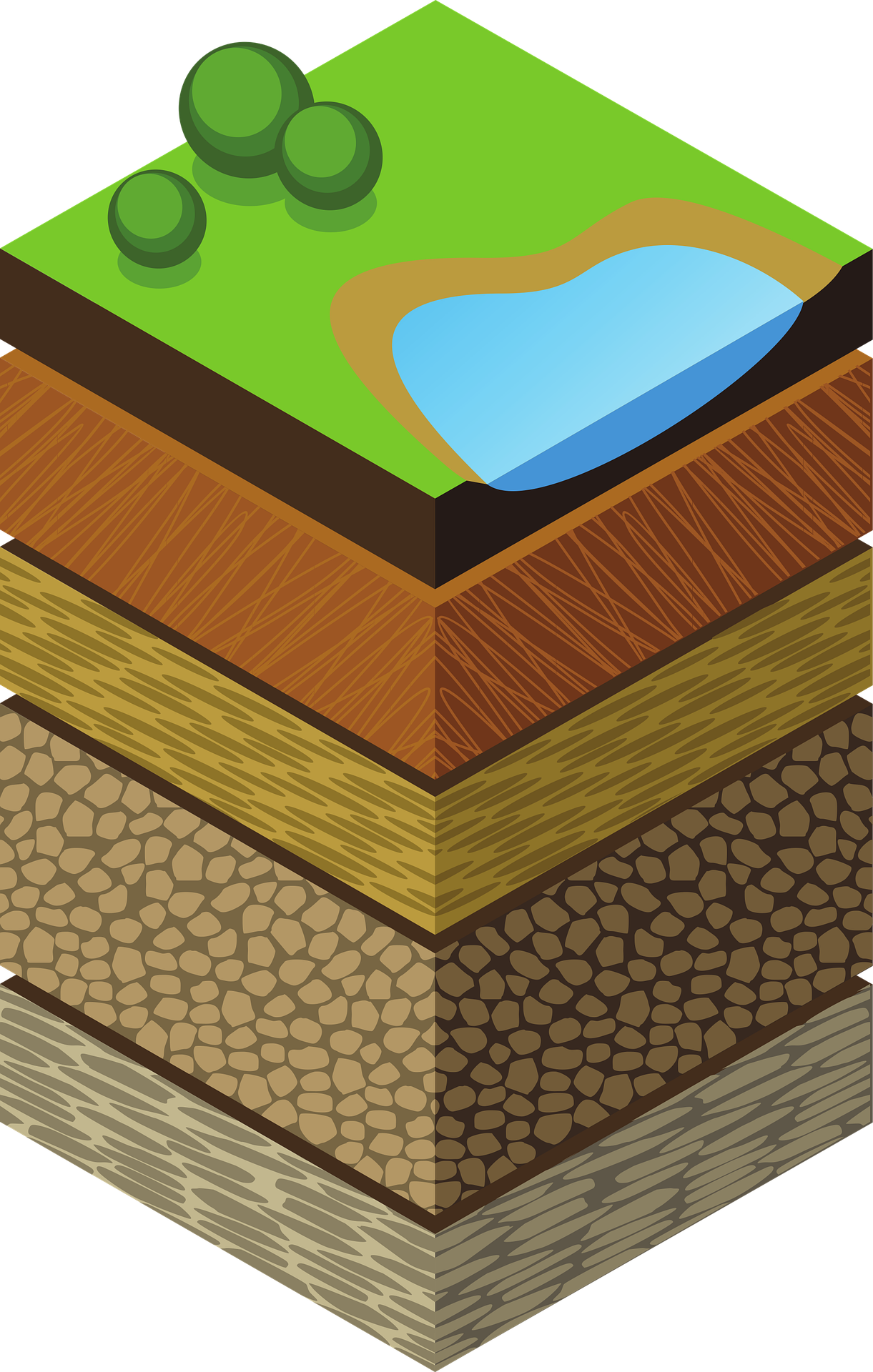
Expert-led lessons explore soil as a living system, the impact of horse grazing and management choices, pasture condition, forage diversity, and the timing of interventions — all focused on realistic, low-risk improvements suitable for your land and horses.
How the course works:
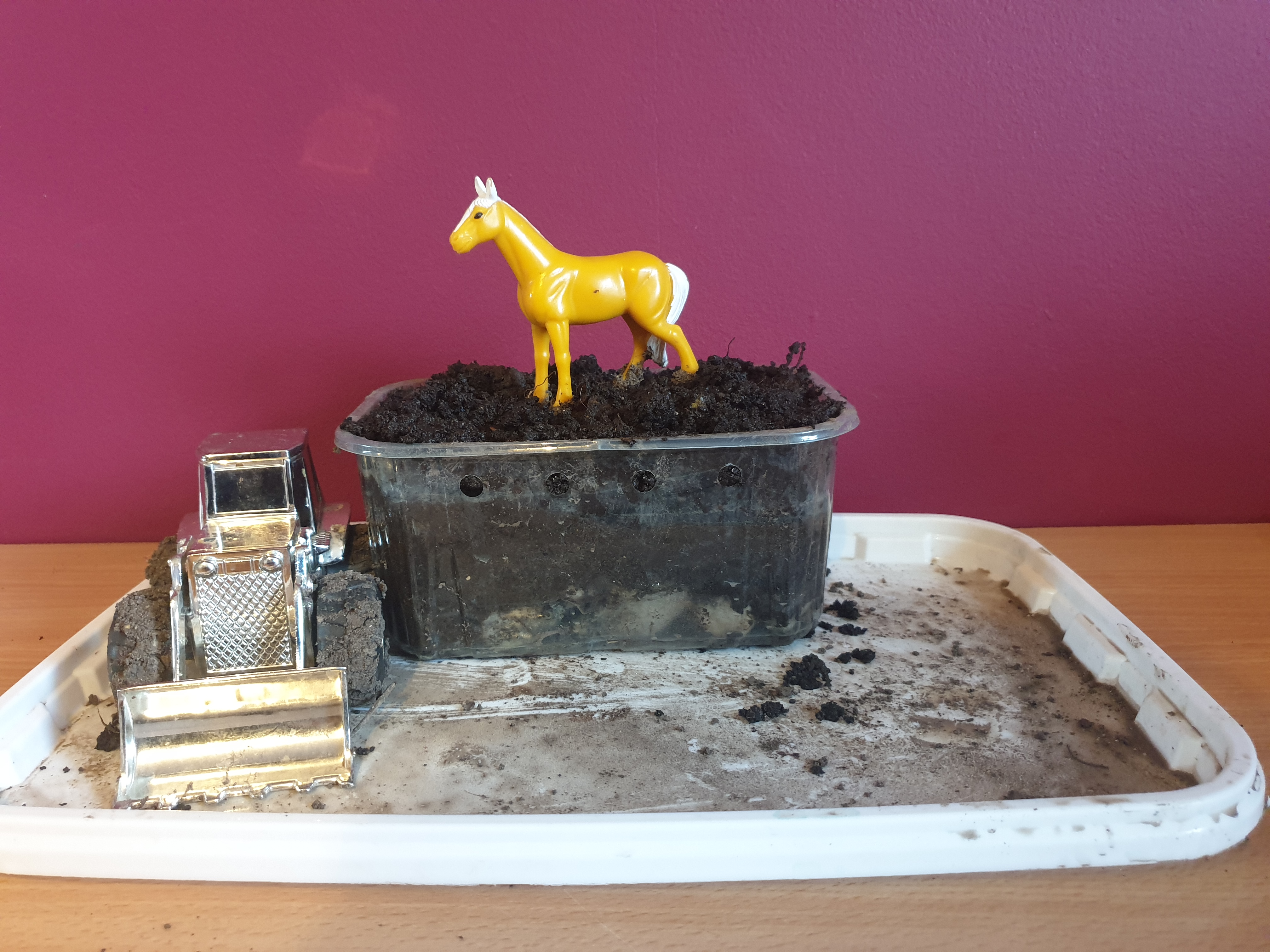
Short, focused video lessons with clear visuals and simple reflective activities make this course flexible and accessible, so you can learn alongside busy yard routines, work responsibilities, and family life.
After completing this course, you'll be able to:
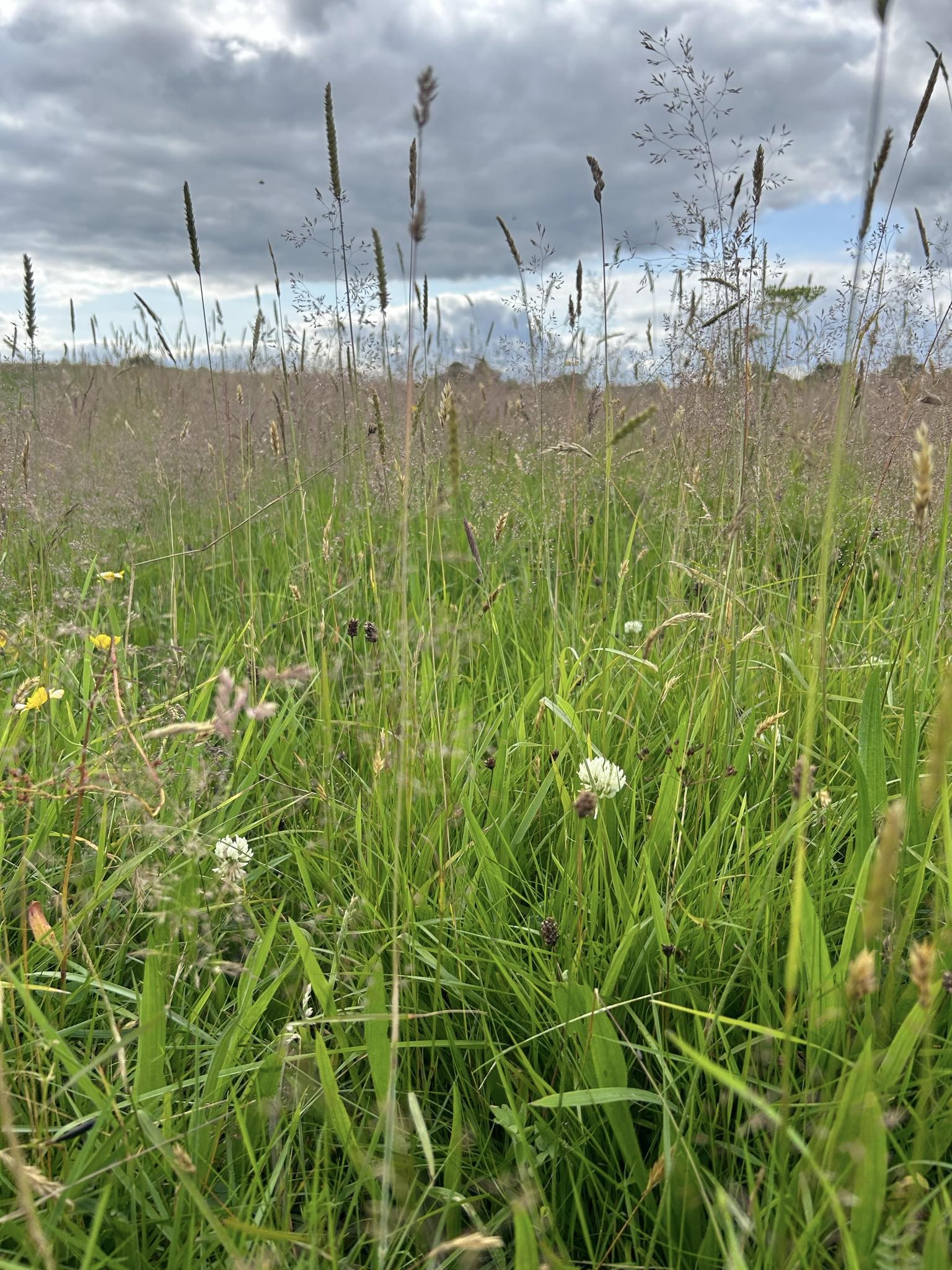
- Assess soil health with greater confidence - Understand how horse grazing affects soil function - Recognise the causes of common horse pasture problems - Choose management strategies suited to your own land - Reduce unnecessary spending on ineffective interventions - Support healthier horses through healthier pasture
Move at Your Own Pace
Improve your pasture and horse welfare with confident, informed choices.
£159.95
Why this course is different
Many horse pasture courses focus on telling you what to do. This course explains why different approaches work, when they are appropriate and what trade-offs they involve. Rather than promoting a single management system, you'll learn how soil, plants, horses and grazing interact as one connected system, giving you the confidence to make decisions that suit your own land and circumstances.
Soil and Pasture Health
Healthy forage begins below ground. Understand how soil biology, structure, organic matter, and water movement influence pasture density, species diversity, and sugar expression.
Management in Practice
See how grazing timing, stocking density, machinery, and weather interact with soil structure. Learn why some interventions compound compaction while others rebuild function.
Observation and Decision Making
Develop the ability to assess your own land and decide when to intervene, when to pause, and when apparent problems are actually transitional stages of recovery.
Curriculum
-
1
-
(Included in full purchase)
0.1 Using thinkific
-
(Included in full purchase)
0.2 Intro to your teacher
-
(Included in full purchase)
0.3 Who this course is for
-
(Included in full purchase)
0.4 The layout of the course (How to use the modules)
-
(Included in full purchase)
0.5 Thinkific settings
-
(Included in full purchase)
-
2
-
(Included in full purchase)
1.1 Understanding soil as a living ecosystem
-
(Included in full purchase)
1.2 What lies beneath your pasture
-
(Included in full purchase)
1.3 The hidden workforce
-
(Included in full purchase)
1.4 Cation Exchange Capacity (CEC) – Understanding Nutrient Availability
-
(Included in full purchase)
1.5 How functional soil supports horse welfare, nutrition and biodiversity
-
(Included in full purchase)
-
3
-
(Included in full purchase)
2.1 Overgrazing and Poaching
-
2.2a Compaction Free preview
-
(Included in full purchase)
2.2b Compaction Demo
-
(Included in full purchase)
2.3 Fertilisers & Herbicides: Short-Term Responses and Long-Term Trade-Offs
-
(Included in full purchase)
2.4 Pesticides, Wormers & Other Treatments – Unintended Impacts on Soil Life
-
(Included in full purchase)
2.5 How these practices can reduce welfare, biodiversity and resilience
-
(Included in full purchase)
-
4
-
(Included in full purchase)
3.1 BRAINS
-
(Included in full purchase)
3.2 Prioritising soil function before introducing seed
-
3.3a Improving structure Free preview
-
3.3b Improving Structure Quiz Free preview
-
(Included in full purchase)
3.4a Improving drainage and water storage
-
(Included in full purchase)
3.4b Improving structure, water storage and drainage Demo
-
(Included in full purchase)
3.5 Integrating Organic Matter into Pasture Management
-
(Included in full purchase)
3.6 Encouraging deep-rooted and diverse plant communities
-
(Included in full purchase)
3.7 Grazing management for rest and recovery
-
(Included in full purchase)
3.8 Supporting soil organisms and beneficial fungi
-
(Included in full purchase)
3.9 When to rest, reseed or observe Quiz
-
(Included in full purchase)
3.10 Supporting recovery with reseeding
-
(Included in full purchase)
3.11 Managing manure and urine hotspots
-
(Included in full purchase)
-
5
-
(Included in full purchase)
4.1 Context and decision-making (BRAINS reminder)
-
(Included in full purchase)
4.2 Identifying Soil Texture and Structure (2 Videos)
-
(Included in full purchase)
4.3 Compacted, acidic, or low-calcium soils
-
(Included in full purchase)
4.4 Poor drainage, run off and waterlogging
-
(Included in full purchase)
4.5 Dry, sandy and nutrient poor soils
-
(Included in full purchase)
4.6 Overgrazed or “horse-sick” pastures
-
(Included in full purchase)
4.7 Fertile, Productive but Nutrient-Imbalanced Pastures
-
(Included in full purchase)
4.8 Shaded or shelterbelt areas
-
(Included in full purchase)
Module 4.9 Summary
-
(Included in full purchase)
-
6
-
(Included in full purchase)
5.1 Re-centering Decision-Making
-
(Included in full purchase)
5.2 When structural complexity supports health
-
(Included in full purchase)
5.3a Setting realistic goals for your land
-
(Included in full purchase)
5.3b Laura Hobbs from Switch Equine - setting realistic goals
-
(Included in full purchase)
5.4a Know when to seek support
-
(Included in full purchase)
5.4b Laura Hobbs from Switch Equine - Know when to seek support
-
(Included in full purchase)
5.5 Identifying helpful support
-
(Included in full purchase)
5.6 Building systems that last
-
(Included in full purchase)
-
7
-
(Included in full purchase)
Field observation tips for horse owners
-
(Included in full purchase)
Making Compost Tea
-
(Included in full purchase)
Finding a good professional
-
(Included in full purchase)
Hoof and Habitat Blog Articles
-
(Included in full purchase)
Additional Reading
-
(Included in full purchase)
Equicentral system
-
(Included in full purchase)
Track System (Paddock Paradise)
-
(Included in full purchase)
References
-
(Included in full purchase)
This Course Is For You If
- You manage horse pasture anywhere in the world - You want to understand why pasture problems keep returning - You want to reduce unnecessary spending on pasture inputs - You want healthier grazing for your horses - You want to make informed management decisions with confidence - You prefer understanding systems rather than following one-size-fits-all advice Suitable for: - Horse owners and carers - Yard and land managers - Coaches, instructors, and equestrian educators - Welfare-focused organisations and committees - Anyone responsible for managing equine grazing land No prior knowledge of soil science or ecology is required.
About the course
This course provides a clear and practical foundation in soil function within equine grazing systems. It does not promote a single method or ideology. It teaches principles you can apply within your own climate, soil type, and management constraints. Most pasture advice focuses on surface correction: reseed, fertilise, spray, renovate. These approaches can temporarily improve appearance but often fail to restore structure, biology, or water movement. This course takes a whole system approach. You will learn how soil structure, microbial activity, organic matter, plant diversity, and grazing pressure interact — and how small, well timed adjustments can prevent years of unnecessary intervention. Rather than teaching fixed rules, the course explains how horse pasture systems function so you can apply the principles confidently to your own land, climate and management circumstances. Understanding soil reduces uncertainty. Reduced uncertainty lowers unnecessary expenditure and reactive management.

About the Instructor
Sian Constantine is the founder of Hoof & Habitat Ltd, an ENFAR Registered Feed Advisor, and has a background in biochemistry and life sciences. She combines scientific research, practical horse ownership and hands-on pasture management to help horse owners understand the connections between soil, plants, grazing management and equine welfare. Her teaching focuses on helping people understand how horse pasture systems function so they can make confident management decisions based on evidence rather than assumptions. Her approach focuses on helping people understand how pasture systems function, rather than simply telling them what to do.
Why understanding soil can save money
Across many countries and equestrian settings, it is common to invest each year in some combination of: - Mechanical aeration or contractor work - Reseeding or pasture renovation - Fertiliser or soil amendments - Drainage attempts - Additional hay when grazing underperforms Often, these interventions are necessary, but when underlying soil function is not understood, they can become repeated seasonal expenses rather than long term solutions. In many cases, a single intervention costs more than this course. Understanding soil function first reduces the risk of cycling through the same inputs year after year. This course is designed to help you make pasture management decisions that build long term resilience, alongside short term correction.
Invest in understanding, not repeated correction
Every pasture is different. The value of this course isn't that it provides a single solution. It's that it helps you understand how your own pasture functions so you can make better decisions for years to come. Lifetime access means you can return whenever your land, horses or management challenges change. Over time, this understanding can help you: - Avoid years of unnecessary trial and error - Improve the success of pasture improvements - Reduce expenditure on ineffective interventions - Build healthier, more resilient grazing systems - Feel more confident in the decisions you make Invest once in understanding so you can make better pasture management decisions for years to come.
£159.95